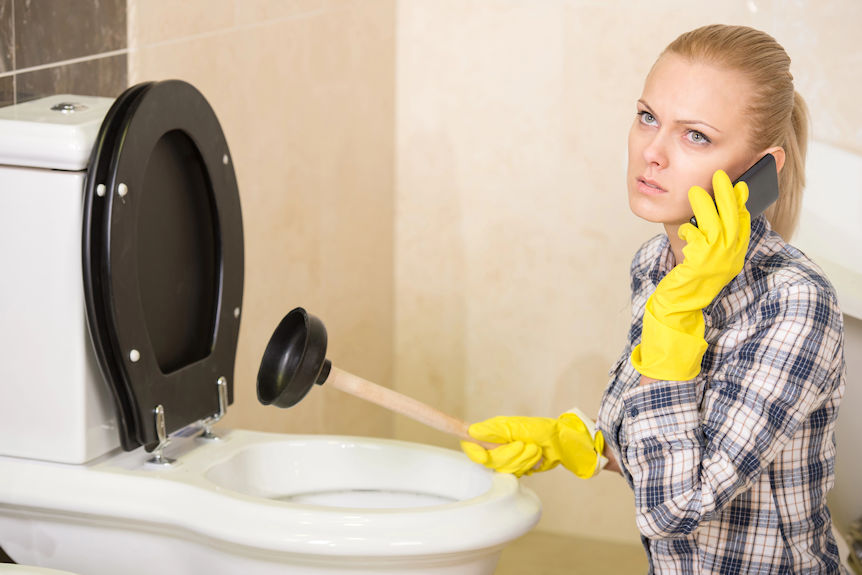
Ah, the dreaded moment when you realize your toilet isn’t working as it should—an all-too-common scenario that every homeowner faces at some point. But don’t worry, tackling a broken toilet doesn’t have to be daunting. With the right guidance, you can handle many toilet plumbing issues yourself, saving both time and money. In this friendly guide, we’ll walk you through essential toilet repair DIY tips and when you might want to call in the professionals. Whether it’s a leaky base, a running tank, or mysterious flushing problems, we’ve got the toilet maintenance tips you need to get things flowing smoothly again.
Common Toilet Plumbing Issues
Before we dive into fixing toilet problems, let’s identify some of the most common issues homeowners face. Understanding these problems is the first step towards effective toilet repair.
Identifying Toilet Leaks
Toilet leaks can be sneaky, causing water waste and potential damage if left unchecked. Identifying the source of a leak is crucial for effective repairs.
Start by inspecting the base of your toilet for any water pooling. This could indicate a faulty wax ring or loose connections.
Next, check the tank for cracks or loose fittings. A simple dye test can help: add a few drops of food coloring to the tank and wait 15-20 minutes. If color appears in the bowl without flushing, you’ve got a leak.
Don’t forget to examine the supply line and shut-off valve for any drips or moisture. These small leaks can lead to bigger problems if ignored.
Troubleshooting Flushing Problems
Flushing issues can range from minor annoyances to major headaches. Understanding common flushing problems is key to maintaining a functional bathroom.
Weak flushes often stem from clogged jets under the rim. Clean these regularly to ensure proper water flow. If the problem persists, check the water level in the tank – it should be about an inch below the top of the overflow tube.
Phantom flushes, where your toilet seems to flush on its own, usually indicate a leaky flapper. This small rubber seal can wear out over time, allowing water to seep from the tank into the bowl.
For toilets that won’t stop running, the culprit is often a misadjusted or faulty fill valve. Adjusting the float or replacing the entire mechanism can usually solve this issue.
How to Fix Toilet Problems
Now that we’ve identified common issues, let’s roll up our sleeves and get to work. Many toilet repairs are well within the capabilities of a DIY-minded homeowner.
Step-by-Step Toilet Repair DIY
Tackling toilet repairs yourself can save money and give you a sense of accomplishment. Here’s a general guide to approaching DIY toilet repairs:
- Identify the problem: Use the troubleshooting tips from the previous section to pinpoint the issue.
- Gather your tools: You’ll typically need a plunger, adjustable wrench, screwdriver, and possibly replacement parts.
- Turn off the water supply: Always start by shutting off the water to prevent any potential flooding.
For specific repairs, like replacing a flapper or adjusting a fill valve, follow these steps:
- Remove the tank lid carefully.
- Diagnose the faulty part.
- Remove the old part and replace it with a new one.
- Reassemble everything and test your repair by turning the water back on and flushing.
Remember, patience is key. Take your time and don’t hesitate to consult online tutorials or manuals for your specific toilet model.
When to Consider Professional Toilet Repairs
While many toilet issues can be DIY projects, some situations call for professional help.
Consider calling a plumber if you encounter:
- Severe clogs that resist plunging and snaking
- Cracks in the toilet bowl or tank
- Issues with the main sewer line
- Repeated backups or overflows
Professional plumbers have specialized tools and expertise to handle complex issues safely and efficiently. They can also spot potential problems that might not be obvious to the untrained eye.
If you’re unsure about tackling a repair, it’s always better to err on the side of caution. A small mistake in DIY repairs can lead to water damage or more extensive plumbing issues.
Essential Toilet Maintenance Tips
Prevention is often the best cure. Regular maintenance can keep your toilet running smoothly and prevent many common issues before they start.
Preventive Measures for Homeowners
Implementing a few simple maintenance routines can significantly extend the life of your toilet and reduce the need for repairs.
Regular cleaning is crucial. Use a toilet brush and mild cleaner weekly to prevent buildup in the bowl. For the tank, consider dropping in a cleaning tablet every few months to prevent mineral deposits.
Check for leaks periodically by performing the dye test mentioned earlier. Early detection can prevent water waste and more serious damage.
Avoid flushing anything other than toilet paper and human waste. Items like wipes, cotton swabs, and dental floss can cause clogs and damage your plumbing system.
Lastly, be gentle with your toilet. Avoid using it as a seat or step stool, as this can stress the connections and lead to leaks.
Tools for Efficient Toilet Repairs
Having the right tools on hand can make toilet repairs much easier. Here’s a list of essential items for your toilet repair toolkit:
- Plunger: A must-have for clearing minor clogs.
- Adjustable wrench: For loosening and tightening nuts and bolts.
- Screwdriver set: Both flathead and Phillips head for various fasteners.
- Plumber’s tape: To ensure watertight connections.
- Rubber gloves: For hygiene and protection.
Consider also keeping spare parts like a flapper, fill valve, and wax ring. These common replacement items can save you a trip to the hardware store in an emergency.
For more advanced repairs, you might want to invest in a toilet auger (also called a closet auger) for clearing stubborn clogs, and a small hand saw for cutting plastic pipes if needed.
Remember, the right tools can make a big difference in the ease and success of your repairs. Keep your toolkit well-stocked and easily accessible for when toilet troubles strike.
“An ounce of prevention is worth a pound of cure. Regular maintenance and prompt attention to small issues can prevent major toilet problems down the line.” – Today’s Homeowner
By following these tips and maintaining your toilet regularly, you’ll be well-equipped to handle most common toilet issues. Remember, when in doubt, don’t hesitate to call a professional. Happy plumbing!
 Home Maintenance Guides for the UK
Leave a comment