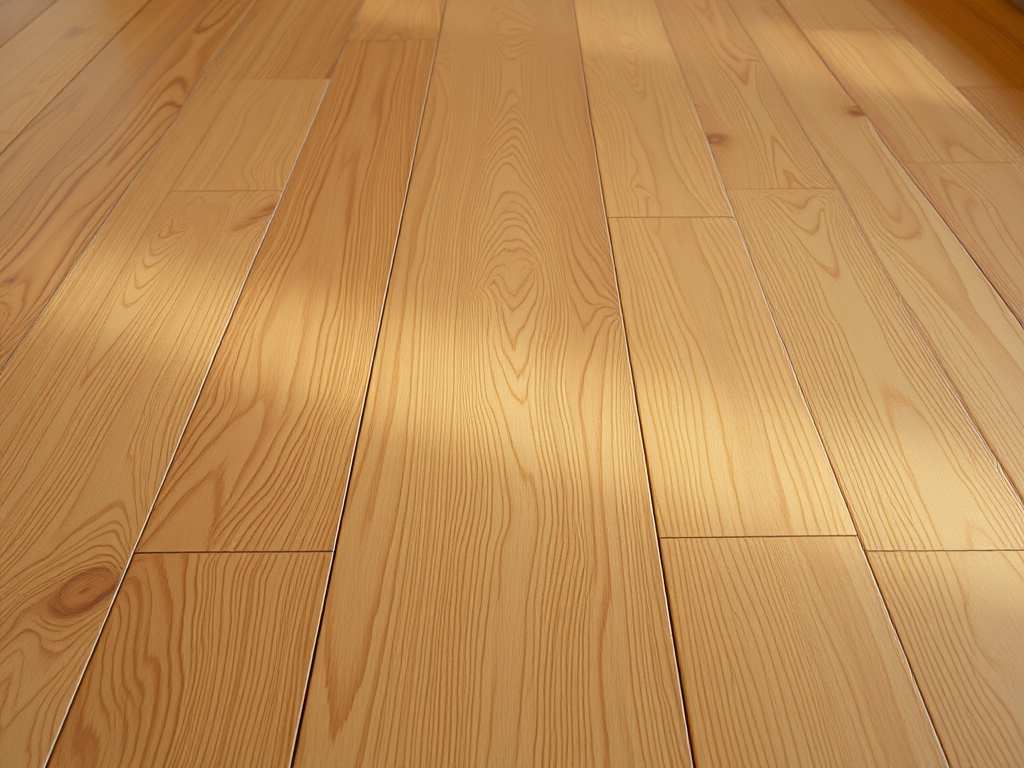
Maintaining the pristine appearance of wood floors can seem like a daunting task, especially when stubborn stains make an uninvited appearance. For homeowners across the UK, preserving the elegance of these floors is a top priority, yet knowing the best methods to tackle these blemishes can be elusive. Fear not, as we bring you expert tips that promise to restore your wood floors to their former glory with ease. Whether you’re dealing with a simple spill or a more persistent mark, our guide offers practical solutions that are both effective and gentle on your floors. Read on to discover how you can effortlessly lift those stains and keep your floors looking stunning, all while ensuring you’re equipped with the knowledge of a trusted professional.
Understanding Wood Floor Stains
Before diving into removal techniques, it’s crucial to understand the nature of wood floor stains. This knowledge will help you tackle the problem more effectively and prevent future occurrences.
Common Causes of Stains
Wood floors are susceptible to various types of stains, each requiring a specific approach for removal. Understanding these common culprits is the first step in maintaining your floor’s pristine appearance.
Water spills, if left unattended, can seep into the wood and leave unsightly marks. These often appear as dark spots or rings on the surface.
Oil-based substances, such as food grease or cosmetic products, can create stubborn stains that are challenging to remove without proper treatment.
Pet accidents are another frequent cause of staining, often leaving both visible marks and lingering odours that require prompt attention.
Types of Wood Flooring
Different wood flooring types react uniquely to stains and cleaning methods. It’s essential to identify your floor type to choose the most appropriate stain removal technique.
Solid hardwood floors are durable but can be sensitive to moisture. They often allow for sanding and refinishing, which can be beneficial for stubborn stains.
Engineered wood flooring consists of layers and may require gentler cleaning methods to avoid damaging the top veneer.
Laminate flooring, while not real wood, can mimic its appearance and is generally more resistant to staining but may be damaged by harsh chemicals.
Importance of Immediate Action
When it comes to wood floor stains, time is of the essence. Quick action can prevent permanent damage and make the removal process much easier.
Immediate blotting of spills can prevent liquids from penetrating deeper into the wood grain. This simple step can often prevent a stain from setting in the first place.
For oil-based spills, quick application of an absorbent material like cornstarch can help draw out the substance before it has a chance to bond with the wood.
Remember, the longer a stain sits, the more difficult it becomes to remove. Prompt attention can save you time, effort, and potentially costly repairs in the long run.
Essential Tools for Stain Removal
Equipping yourself with the right tools is crucial for effective stain removal. This section covers the must-have items for tackling various types of wood floor stains.
Must-Have Cleaning Supplies
A well-stocked cleaning arsenal is your first line of defense against stubborn wood floor stains. These essential items will help you address most common staining issues effectively.
Microfiber cloths are indispensable for their absorbency and gentle cleaning action. They’re perfect for blotting spills and applying cleaning solutions without scratching the wood surface.
A soft-bristled brush can help work cleaning agents into the grain of the wood without causing damage. This is particularly useful for textured or uneven surfaces.
Don’t underestimate the power of a good vacuum cleaner with a soft brush attachment. It’s essential for removing loose dirt and debris before tackling stains, preventing further scratching during the cleaning process.
Choosing the Right Cleaning Agents
Selecting appropriate cleaning agents is crucial for effective stain removal without damaging your wood floors. The right product can make all the difference in your cleaning efforts.
For water-based stains, a mixture of white vinegar and water can often do the trick. This natural solution is gentle on wood while being effective at lifting many types of marks.
Oil-based stains may require specialized products designed to break down grease and oils without harming the wood. Look for pH-neutral cleaners specifically formulated for wood floors.
For tougher stains, oxygen-based bleach can be effective but should be used cautiously. Always test any new product on an inconspicuous area first to ensure it won’t discolor or damage your flooring.
Protective Gear and Equipment
Safety should never be overlooked when dealing with cleaning chemicals and stain removal processes. Proper protective gear ensures you can work efficiently without risking your health.
Rubber gloves are essential to protect your hands from harsh chemicals and prolonged exposure to water, which can dry out your skin.
When using any cleaning products, especially those with strong odors, ensure proper ventilation. Open windows or use fans to circulate air and reduce the risk of inhaling fumes.
For more intensive cleaning jobs involving sanding or refinishing, consider wearing a dust mask to avoid inhaling wood particles. Safety goggles can also protect your eyes from debris and splashes.
Step-by-Step Stain Removal Techniques
Now that we’re equipped with the right tools and knowledge, let’s dive into specific techniques for removing different types of stains from your wood floors.
Removing Water Stains
Water stains are among the most common issues faced by wood floor owners. Fortunately, with the right approach, they can often be removed without professional help.
- Start by gently cleaning the area with a soft, dry cloth to remove any surface dirt.
- For light stains, try rubbing the area with a cloth dampened with mineral spirits.
- If the stain persists, create a paste using equal parts baking soda and water. Apply this to the stain, let it sit for a few minutes, then wipe clean with a damp cloth.
For deeper water stains, you might need to try more advanced methods such as using an iron over a cloth to draw out the moisture. Always use caution with heat to avoid further damaging the wood.
Remember, prevention is key. Use coasters under drinks and quickly wipe up any spills to avoid water stains in the future.
Tackling Oil-Based Stains
Oil-based stains can be particularly challenging, but with patience and the right technique, they can be effectively removed.
- Begin by blotting the stain with a clean, dry cloth to remove as much excess oil as possible.
- Sprinkle cornstarch or talcum powder over the stain and let it sit for several hours or overnight. This will help absorb the oil.
- Vacuum up the powder and assess the stain. Repeat if necessary.
For stubborn oil stains, a mixture of dish soap and warm water can be effective. Gently work the solution into the stain with a soft cloth, being careful not to oversaturate the wood.
If these methods don’t work, consider using a commercial wood cleaner specifically designed for oil stains. Always test in an inconspicuous area first and follow the manufacturer’s instructions carefully.
Handling Difficult Stains
Some stains, such as those from ink, wine, or pet accidents, may require more intensive treatment. Here’s how to approach these challenging situations.
For ink stains, try using a cotton swab dipped in nail polish remover. Gently dab the stain, being careful not to spread it. Wipe clean with a damp cloth and dry thoroughly.
Wine stains can often be lifted by mixing hydrogen peroxide with a few drops of ammonia. Apply this solution sparingly to the stain, let it sit for a few minutes, then wipe clean.
Pet stains may require enzymatic cleaners designed to break down organic matter. These are particularly effective at removing both the stain and associated odors.
For any difficult stain, if home remedies aren’t effective, it may be time to consult a professional to avoid risking damage to your wood floors.
Maintaining Wood Floor Quality
After successfully removing stains, it’s important to focus on maintaining your wood floors to prevent future issues and preserve their beauty.
Regular Cleaning Tips
Establishing a routine cleaning regimen is key to keeping your wood floors in top condition and preventing stain build-up over time.
Daily sweeping or vacuuming with a soft brush attachment helps remove dirt and grit that can scratch the floor’s surface. This simple step goes a long way in preserving the wood’s finish.
For weekly cleaning, use a damp (not wet) mop with a pH-neutral cleaner specifically designed for wood floors. Avoid excess water, which can seep into the wood and cause damage.
Periodically, consider using a wood floor polish to restore shine and provide an extra layer of protection against spills and stains.
Protective Measures for Longevity
Taking proactive steps to protect your wood floors can significantly reduce the likelihood of stains and extend the life of your flooring.
Place mats at entryways to trap dirt and moisture before they reach your wood floors. This simple measure can prevent a significant amount of potential damage.
Use felt pads under furniture legs to prevent scratches when moving items. Regularly check and replace these pads as they wear down over time.
Consider applying a fresh coat of protective finish every few years. This can help seal the wood against spills and make cleaning easier in the long run.
Professional Cleaning Services
While regular maintenance can be done at home, professional cleaning services offer deep cleaning and restoration that can rejuvenate your wood floors.
Professional cleaners have access to specialized equipment and products that can tackle deep-set stains and wear that might be beyond the scope of DIY methods.
Regular professional cleaning, typically recommended annually, can help maintain the integrity of your wood floors and catch any issues before they become major problems.
Consider professional services for older floors or those with significant wear. They can often restore the wood’s natural beauty and extend its lifespan considerably.
Expert Advice and Testimonials
Let’s hear from those who have successfully tackled wood floor stains and get insights from industry experts on maintaining beautiful wood floors.
Success Stories from Homeowners
Real-life experiences can provide valuable insights and encouragement for those facing similar wood floor challenges.
“I thought my floors were beyond repair after a red wine spill, but following expert advice on immediate action and using the right cleaning products saved my hardwood. It looks as good as new!” – Sarah, London homeowner
Many homeowners have found success with DIY methods:
- Using a mixture of vinegar and olive oil to remove water stains
- Applying mayonnaise overnight to lift out oil-based stains
- Utilizing sunlight exposure to naturally fade stubborn marks
These success stories highlight the importance of quick action and choosing the right treatment for specific stains.
Expert Recommendations
Industry professionals offer valuable advice for maintaining wood floors and addressing stains effectively.
- Always identify your wood type before applying any cleaning solution
- Test cleaning products on an inconspicuous area first
- Avoid using steam cleaners on wood floors, as they can cause long-term damage
- Regular maintenance is key to preventing stubborn stains
Experts also emphasize the importance of understanding your floor’s finish. Different finishes (e.g., polyurethane, wax, oil) require different care approaches.
When to Seek Professional Help
While many stains can be addressed at home, there are situations where professional intervention is necessary.
Consider calling a professional if:
- The stain has penetrated deep into the wood
- DIY methods have been unsuccessful after multiple attempts
- You’re dealing with extensive water damage or flooding
- The floor’s finish is significantly worn or damaged
Professionals can offer services like deep cleaning, refinishing, and even board replacement for severely damaged areas. Their expertise can often save floors that might otherwise seem beyond repair.
Remember, when in doubt, consulting with a wood flooring specialist can save you time, money, and potential frustration in the long run.
 Home Maintenance Guides for the UK
Leave a comment