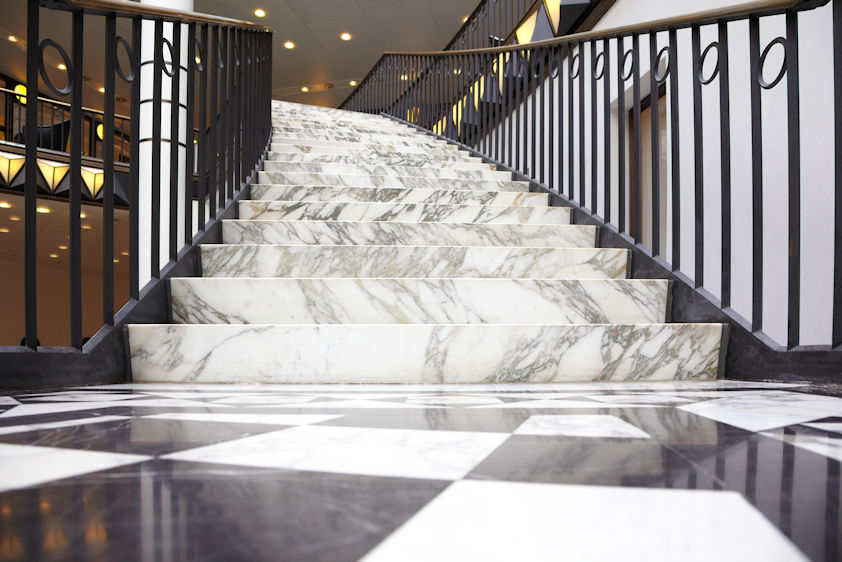
Marble floors are a stunning addition to any home, bringing elegance and a touch of luxury that few materials can match. However, maintaining their beauty requires a bit of know-how, and that’s where we come in! Whether you’re a homeowner wanting to keep your floors pristine or a cleaning professional looking to expand your expertise, understanding marble floor cleaning and restoration is key. In this guide, we’ll share marble restoration tips, uncover secrets on how to clean marble floors effectively, and introduce you to the best marble cleaning products on the market. Transform your floors with expert advice that ensures your marble surfaces remain a timeless centrepiece in your space.
Understanding Marble and Its Needs
Before diving into cleaning and restoration, it’s crucial to understand the nature of marble and its specific care requirements. This knowledge forms the foundation for effective marble maintenance.
Types of Marble Floors
Marble floors come in a variety of types, each with unique characteristics and care needs. The most common types include Carrara, Calacatta, and Statuario, known for their white backgrounds and gray veining.
Breccia marble offers a more colorful palette with angular patterns, while Emperador marble is recognized for its rich brown tones. Each type has different levels of porosity and hardness, affecting how they should be cleaned and maintained.
Understanding your specific marble type is crucial for proper care. For instance, lighter marbles may be more prone to staining and require more frequent sealing, while darker varieties might be more forgiving but still need regular attention to maintain their luster.
Common Marble Floor Issues
Marble floors, while beautiful, are susceptible to various issues that can diminish their appearance and integrity. Etching is a common problem caused by acidic substances coming into contact with the marble surface, leaving dull spots or rings.
Staining is another frequent issue, especially with lighter marbles. Spills from wine, coffee, or other colored liquids can penetrate the porous surface if not cleaned promptly. Scratches and chips can occur from heavy furniture or dropped objects, marring the smooth surface.
Over time, high-traffic areas may develop a worn, dull appearance due to micro-abrasions from foot traffic. Understanding these common issues is the first step in preventing them and knowing when to seek professional help for restoration.
Essential Marble Floor Cleaning Techniques
Proper cleaning is the cornerstone of marble floor maintenance. Let’s explore safe cleaning methods and the best products to keep your marble floors looking their best.
How to Clean Marble Floors Safely
Cleaning marble floors requires a gentle touch and the right techniques to avoid damage. Start by removing loose dirt and debris with a soft-bristled broom or dust mop to prevent scratching during wet cleaning.
For regular cleaning, use warm water and a pH-neutral cleaner specifically designed for marble. Avoid acidic or abrasive cleaners that can etch the surface. Damp mop the floor, being careful not to over-wet the surface, as excess water can seep into the pores and cause damage.
For stubborn stains, create a paste with baking soda and water, apply it to the stain, cover with plastic wrap, and let it sit overnight before gently wiping away. Always test cleaning solutions on a small, inconspicuous area first to ensure they won’t damage your marble.
Best Marble Cleaning Products
Choosing the right cleaning products is crucial for maintaining the beauty and integrity of your marble floors. Look for pH-neutral cleaners specifically formulated for natural stone surfaces.
Some recommended products include TileMaster Natural Stone Cleaner No.2, and Lithofin Professional Stone & Tile Cleaner. These products are designed to clean effectively without etching or damaging the marble surface.
Avoid using general-purpose cleaners, vinegar, lemon juice, or any acidic substances, as these can cause etching. For best results, pair your chosen cleaner with a soft microfiber mop to minimize the risk of scratching during the cleaning process.
Expert Marble Restoration Tips
When your marble floors lose their luster or suffer damage, restoration can bring them back to life. Here are some expert tips for restoring shine and repairing common issues.
Restoring Shine to Dull Floors
Dull marble floors can be revitalized with the right techniques. Start by thoroughly cleaning the floor to remove any dirt or grime that might be masking the marble’s natural shine.
For light dullness, try polishing the surface with a commercial marble polish or a homemade solution of baking soda and water. Apply the polish in small circular motions using a soft cloth, then buff with a clean, dry cloth to bring out the shine.
For more severe cases of dullness, professional diamond polishing may be necessary. This process involves using progressively finer diamond abrasives to grind down the surface, removing scratches and restoring the marble’s natural luster.
Repairing Chips and Cracks
Small chips and cracks in marble floors can be repaired with some patience and the right materials. Start by cleaning the damaged area thoroughly and allowing it to dry completely.
For minor chips, use a color-matched epoxy or acrylic filler designed for marble repair. Apply the filler carefully, slightly overfilling the chip. Once dry, sand the area gently with fine-grit sandpaper to level it with the surrounding surface.
For larger cracks or extensive damage, it’s best to consult a professional. They may use specialized techniques such as injecting epoxy or even replacing the damaged tile if necessary. Remember, proper repair is crucial to prevent further damage and maintain the overall appearance of your marble floor.
Ongoing Marble Care and Maintenance
Regular care and maintenance are key to preserving the beauty of your marble floors for years to come. Let’s explore daily routines and long-term strategies for optimal marble care.
Regular Marble Maintenance Routines
Establishing a regular maintenance routine is crucial for keeping your marble floors in top condition. Daily sweeping or dust mopping prevents abrasive particles from scratching the surface.
Weekly cleaning with a pH-neutral marble cleaner helps maintain the shine and prevent buildup of dirt and grime. Place mats at entrances to trap dirt and consider using felt pads under furniture legs to prevent scratches.
Promptly clean up spills, especially acidic substances like wine or citrus juices, to prevent etching. Regularly inspect your floors for signs of wear or damage, addressing issues promptly to prevent them from worsening.
Long-term Marble Care Strategies
Long-term care of marble floors involves more than just regular cleaning. Periodic sealing is essential to protect the porous surface from stains and etching. The frequency of sealing depends on the type of marble and amount of traffic, but generally, sealing once or twice a year is recommended.
Consider professional deep cleaning and polishing annually or bi-annually to restore shine and remove any deep-set stains or etching. This can help extend the life of your marble floors and maintain their beauty.
Educate family members or employees about proper marble care to prevent accidental damage. This includes using coasters under drinks, avoiding dragging heavy objects across the floor, and being cautious with potentially damaging substances.
Choosing Professional Marble Services
While regular maintenance can be done at home, there are times when professional services are necessary for optimal marble care and restoration.
Benefits of Hiring Experts
Professional marble care services offer expertise and equipment that can achieve superior results compared to DIY methods. Experts have in-depth knowledge of different marble types and their specific care requirements.
They use professional-grade equipment like diamond polishers and specialized cleaning solutions that aren’t available to the average homeowner. This allows them to tackle deep-set stains, severe etching, and dullness that home remedies can’t address.
Professional services can also provide a comprehensive assessment of your marble floors, identifying potential issues before they become serious problems. This proactive approach can save you money in the long run by preventing costly repairs or replacements.
Questions to Ask Your Marble Specialist
When hiring a marble care professional, it’s important to ask the right questions to ensure you’re getting quality service. Start by inquiring about their experience with your specific type of marble.
Ask about their cleaning and restoration processes, including the products and equipment they use. Request references or examples of their previous work, especially for projects similar to yours.
Inquire about their insurance coverage and any guarantees they offer on their work. Finally, ask for a detailed estimate and timeline for the project, ensuring all costs are transparent and there are no hidden fees.

 Home Maintenance Guides for the UK
Leave a reply to thechristiantechnerd Cancel reply